Writing Tip 449: “Pearing,” “Pairing,” or “Paring” Down?
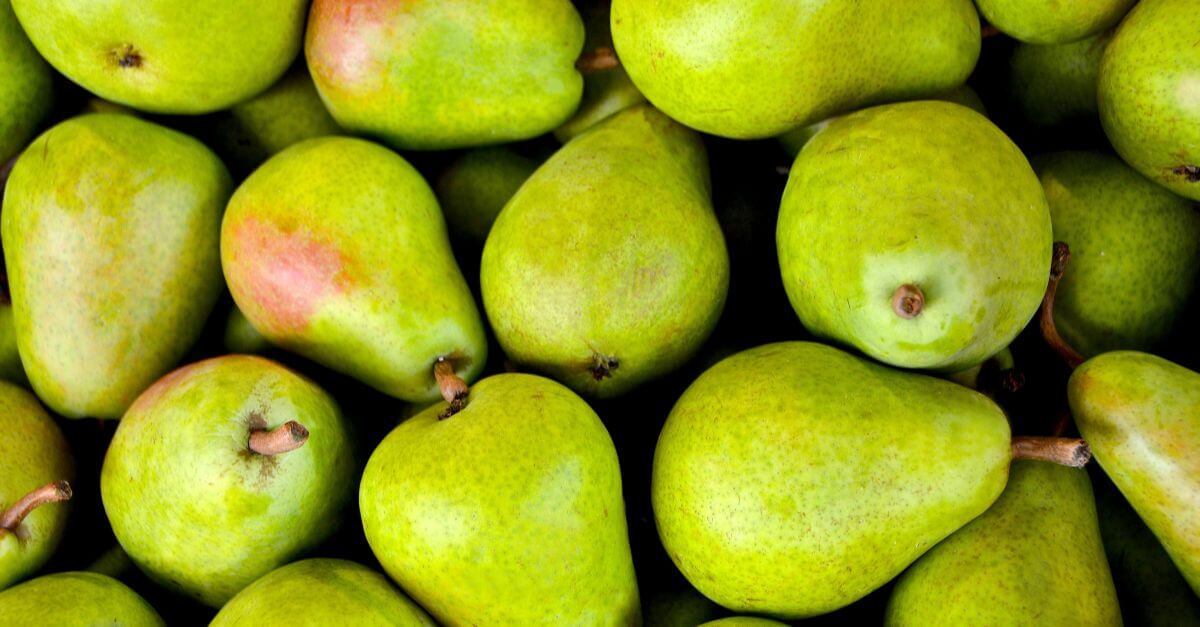
If you were going to pear something down, that seems like an unfortunate (and likely unsuccessful) usage of your fruit in battle. If you were going to pair it down, maybe it’s a reality television show kicking off a team of two.
But my guess is that neither of those are what you’re actually going for. Have you ever been confused about the correct form between “pearing,” “pairing,” or “paring” down?
Remember: The correct spelling is “to pare down” if you’re looking for the phrase meaning to trim or diminish something in size.
While the etymology has some lingering debate, “pare” has been a part of the English language since the 1300s. The Middle English word paren was borrowed from Anglo-French parer, as in “to prepare, adorn, or trim,” which traces back to the Latin word parāre, meaning “to supply, provide, or make ready.”
“To pare” may be linguistically connected to words including “prepare,” “separate,” “repair,” and potentially even “emperor.”
No matter its past, though, tightening your communications down to the sleekest, clearest version is almost always a good idea. So keep paring down that first draft until it shines. And if you’re using a paring knife to slice a pair of pears, be careful with that. Sharp blades and sharp spellings are important.
Oh, you’ve got to love the many homophones of the English language. If you have another word choice question, let me know!
Sign-up for my monthly “On Words & Onwards” email newsletter for more writing tips like this, as well as the latest in language news, storytelling trivia, and communications empowerment.