Here is one kind of statue of limitations, but my guess is that this isn’t what you meant.
I imagine a woman of stone with her arms crossed and her wide stance as unyielding as her disposition. Is this what a statue of limitations would look like? A force blocking your way? Or perhaps something headless, limited herself.
Teeming with chaos or teaming with chaos? And how does this change if we’re talking about ducks? Oh, a little letter makes all the difference. The world can feel overwhelming sometimes, but let’s at least ensure your spelling is under control.
Will she flout the rules or flaunt them? Well, maybe it depends on if she’s feeling rebellious or a desire to show off her precision. (Though you’re likely looking only for one of these words)
Let’s talk rebels with an ostentatious cause, because whether we’re talking “flout” or “flaunt,” rebellion and arrogance are likely part of the conversation.
So what do you think? Is this dark alley “sus”? Would you be “sus” if you walked into it? Let’s suss this out.
Oh, spellcheck, “suss” is indeed a word, even though it seems to be flagged often. It’s red-flagged “spelling mistakes” like this that make you seem kind of “sus” yourself actually, spellcheck. See what I did there?
Let’s get wild, people … persons … peoples … um … what’s the right word, folks?
Okay, people! (Peoples? Persons?) Have you ever wondered when to use “persons” vs. “people” vs. “peoples”? Yes, all are proper plural forms in English. Let’s leave the singular “person” out of things for a moment. If we’re looking for the correct plural form, what is a writer/speaker to do?
Maybe it’s only the editors of the world who look at this image and think of an ellipsis, but that’s what I see. How about you?
Oh, ellipses, the confetti of punctuation marks. A little here, a little there, and it feels a little bit like a celebration, no?
Wait, that’s not what you’re going for?
Sure, I talk about ellipses (the plural form of “ellipsis”) in detail in Get a Grip on Your Grammar (Career Press, 2017; HarperCollins India, 2020), but I wanted to return to the old favorite (ahem, overused) punctuation mark to clear up some confusion.
“Flak” or “flack” – this debate is in many ways a battle (or at least goes back to one).
Should we talk about not catching “flak” when wearing your flak jacket? Is “flack” spelled similar to “quack”? Or else “flac” like “Big Mac”? “Flaque” like “plaque”?
First things first, let’s narrow it down to just “flak” or “flack” for this conversation.
Catching flak/flack
Getting flak/flack
Taking flak/flack
As always, there’s a right answer, but there’s also a larger discussion. And this time, the conversation involves artillery, publicists, and the author Tom Wolfe. Sure, this sounds like the setup of a bad joke that I’ll catch flak/flack for, but stay with me.
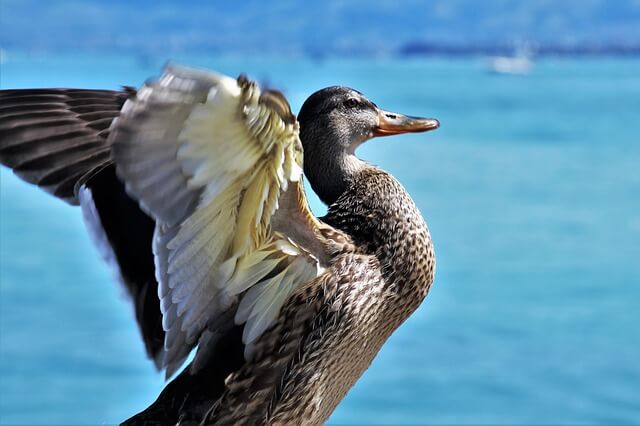
This duck’s feeling pretty good about himself, I think, but would he or wouldn’t he say so himself? Is that the question?
Bragging’s not good, but a little bit of confidence can be powerful. I’m not talking about #humblebrags or #sorrynotsorry comments. When you’re with the right listener and you want to toot your own horn (there’s an expression we need to dive into on another day), what’s the correct phrase to follow your statement of pride?
Is it “If I do say so myself” or “If I don’t say so myself”? If I “do” or “don’t” say so myself?
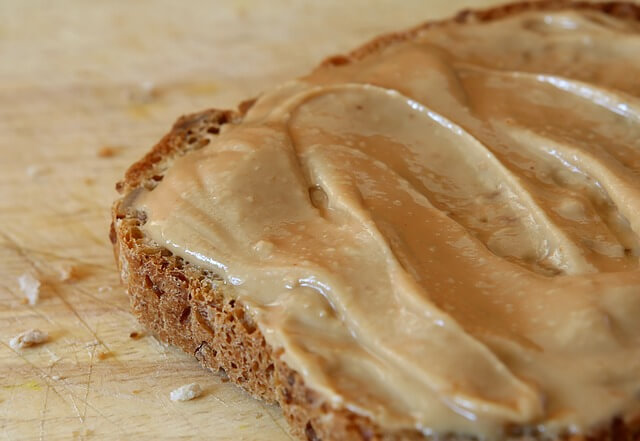
Ooh, you’re savvy with your words, but do certain pairings like this still trip you up? And how on earth am I relating this to peanut butter?
No worries, wordsmiths. You’ve got this, and stay tuned for that second answer. Here’s what you need to know about “collaborate” vs. “corroborate” once and for all:

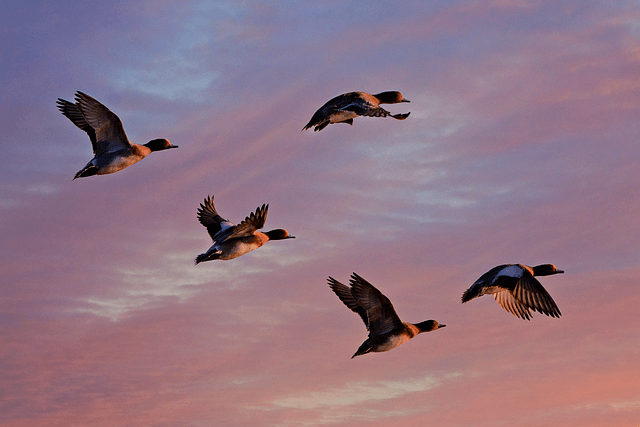 Teeming with chaos or teaming with chaos? And how does this change if we’re talking about ducks? Oh, a little letter makes all the difference. The world can feel overwhelming sometimes, but let’s at least ensure your spelling is under control.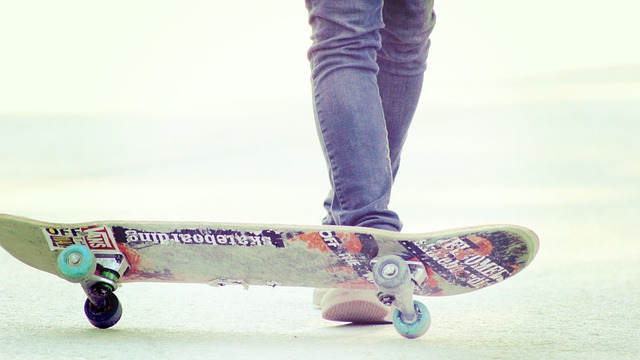

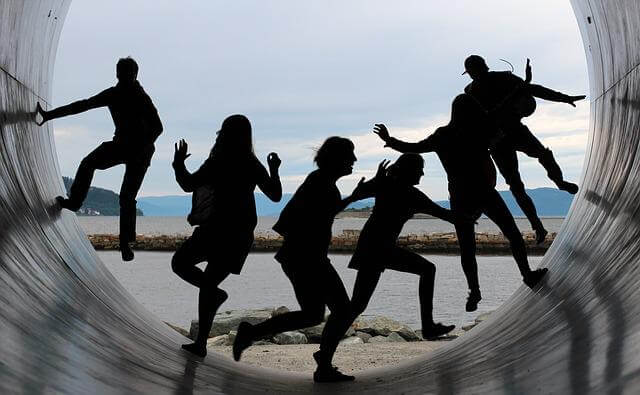
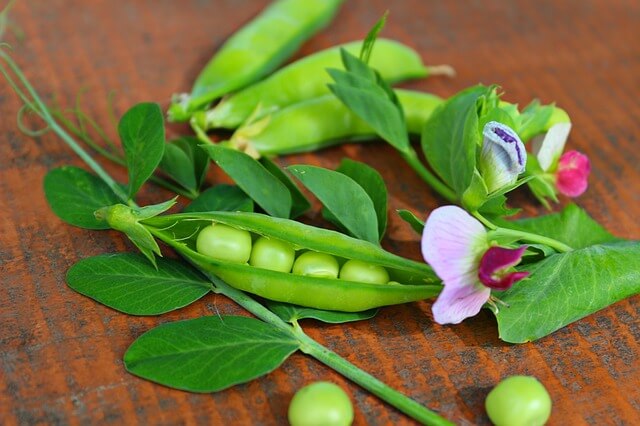


 Ooh, you’re savvy with your words, but do certain pairings like this still trip you up? And how on earth am I relating this to peanut butter?