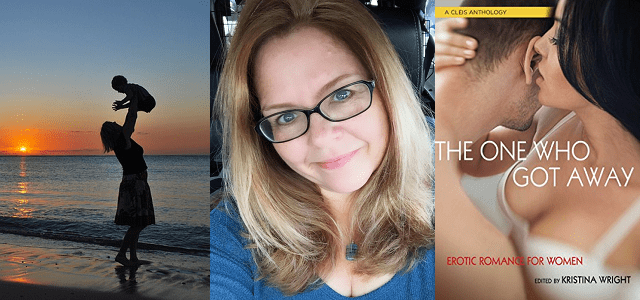
The diversity of a single writer sometimes blows me away. Sometimes we have this idea that writers have a single genre that they write within, a genre in which they excel and that must be their favorite. And then you discover writers like Kristina Wright, accomplished erotica writer, romance writer, and mommy blogger.
Editing doesn’t just mean proper comma placement. Revision allows for a new examination of clarity, content, and a shift of perspective. Today’s interview with Osita Iroegbu dives into these complicated issues that are essential for every writer to consider to be true to their subject matter, thoughtful about the surrounding world, and to elevate the conversation at hand.
Osita Iroegbu, a first generation Nigerian-American, is a community advocate, educator and communications professional. She previously worked at the Richmond Times-Dispatch newspaper as a general assignment reporter and at Legal Times weekly news magazine where she covered lobbying on Capitol Hill. She spent time as a public relations practitioner at Richmond Redevelopment and Housing Authority and Virginia State University where her work included speech writing, media relations, and community engagement. She also taught and co-instructed mass communication classes at Virginia State University and Virginia Commonwealth University. Osita, a Richmond native, is currently a PhD candidate in VCU’s Media, Art, and Text doctoral program where she researches the intersection of media, race/class/gender, health, and social justice. She is co-founder of the African Community Network, a nonprofit organization providing resources and services to African individuals and families in the Greater Metro Richmond area, and founder of the Little Princesses Mentoring Program, which links girls living in underserved communities with positive women in college. She occasionally writes editorial pieces for the Times-Dispatch as a guest columnist and has a newly-found affinity for Afrofuturistic literature and art.
Mind your “P”s and “Q”s and your spelling, please.
It’s time to mind our manners, everyone, and today, I’m not just talking about communicating with respect. I’m talking about knowing the difference between “manner” vs. “manor.”
Communicating with your pinkie up in the air isn’t quite cutting it here.
Meeting talented storytellers from around the globe is especially fascinating to me because of the natural kinship that’s always there among writers. We are solitary in our work, but our struggles are universal—finding authenticity in our characters and our words, stretching constantly toward that finish line that often feels so far away.
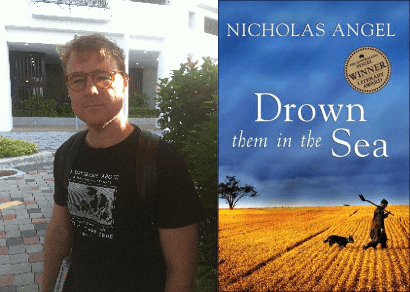
When I recently had the pleasure of meeting Nicholas Angel as he was traveling through the United States doing authenticity research on an upcoming novel, I not only appreciated his cultural thoughtfulness but also his clear dedication to his craft.
This is what this poor interned cheetah thinks of your typos.
Some typos—like turning “emulate” into “immolate”—take a dark turn, but then you have other typos that are dark no matter what way you look at them. “Internment” vs. “interment” is one such example.


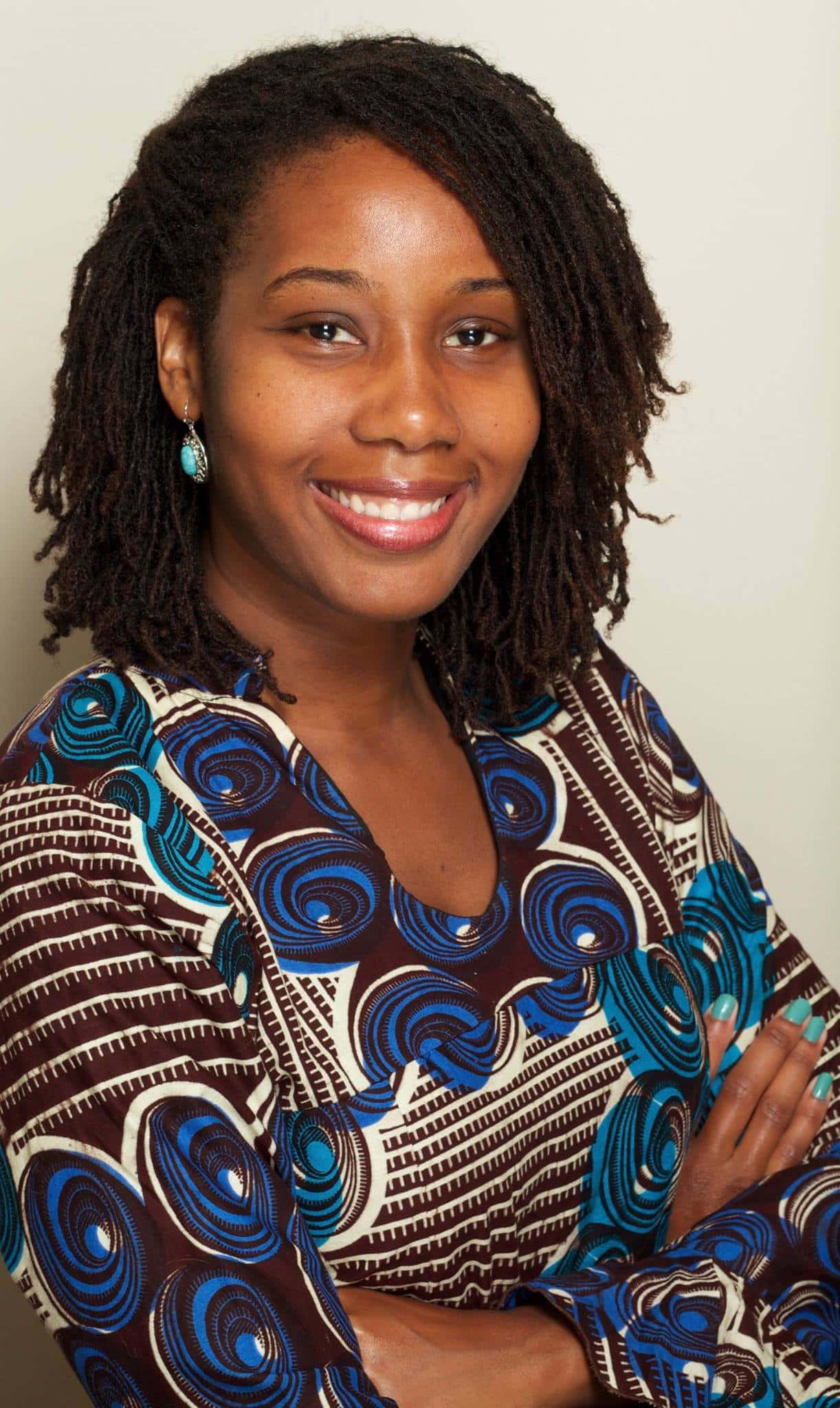 Editing doesn’t just mean proper comma placement. Revision allows for a new examination of clarity, content, and a shift of perspective. Today’s interview with Osita Iroegbu