We’re not talking about any “merry gentlemen” here, folks. Did you ever notice the correct comma placement within this opening line of the classic Christmas carol?
And as a reminder for all the shoppers out there: if there’s a writer or book-lover on your list, holiday shopping really shouldn’t be that hard. Indie bookstore gift certificates, a nice journal, an awesome pen, litograph accessories or home decor. Some people can be hard to shop for but language devotees shouldn’t be among that group.
Yes, this is the moment every year where I have to share my reminder about how to make your last name plural on your Christmas cards (hint: no apostrophe—please, no apostrophe!), but that’s not the end of our holiday punctuation conversation.
Forget the question of whether to say “Merry Christmas” or “Happy Holidays.” Is it “Season’s Greetings” or “Seasons Greetings”? Should we just return all those holiday card apostrophes like that awkward office Secret Santa present that joyously came with a gift receipt?
Maybe this seems tricky, but there’s no reason for overthinking this one. If you’re wishing someone greetings of the season, you’re wishing “season’s greetings.” The apostrophe is correct. It’s possessive.
The exact origin of “season’s greetings” is unclear, going perhaps as far back as the 1500s according to some sources, but it’s been used commonly at least since the mid-1800s. And the waves of confusion over this expression’s apostrophe have returned time and time again, peaking between 1907 and 1926, again in the 1940s, and then pretty consistently since 1977. Personally, I’m curious about the moment in 1926 and in 1949 that brought the population back to clarity on this issue, and how can we repeat that?
This bird might not actually be hiccuping (hiccoughing?), but a tree like this might be enough to frighten them away if he was.
Sure, spelling the word “onomatopoeia” might strike you out of the spelling bee, but don’t you love that this word exists that refers to words that were formed in imitation of the sound they refer to.
Boom. Squeak. Purr. Buzz.
And then there’s “hiccup.” Or is it “hiccough”? They’re both pronounced the same, a wonderful imitation of that involuntary noise that comes from a contraction in the diaphragm and a response in the vocal chord.
It’s not as simple as dirt versus water, but if that helps you figure it out, let’s begin this “dive in” vs. “delve in” conversation there. This guy knows what I mean.
If you’re looking forward to “diving in,” this is different from looking forward to “delving in.” One involves shovels and/or deep exploration. One involves an enthusiastic move forward and maybe even aquatic life.
Rumors are flying, so what do you do? Do you tamp them down or tap them down? If a business strategy isn’t quite working, are profits tamped down or tapped down?
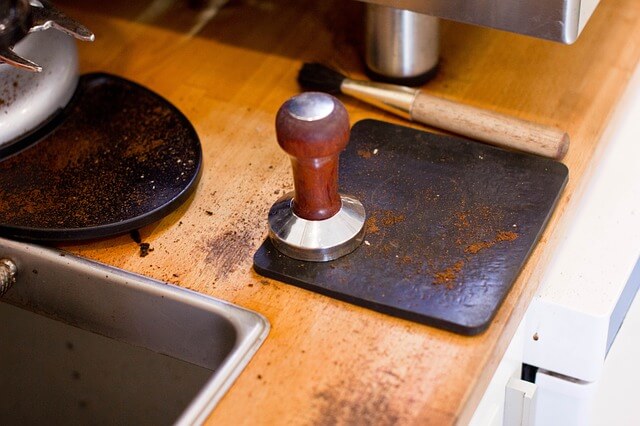
Baristas might be familiar with a different type of “tamp,” but yes, that version plays into this word history confusion too.
Sure, you think trouble might come from uppercuts and jabs, but here’s a case when gentle tapping (or should I say, “tamping”?) causes the biggest blows—at least in terms of correct word choice.
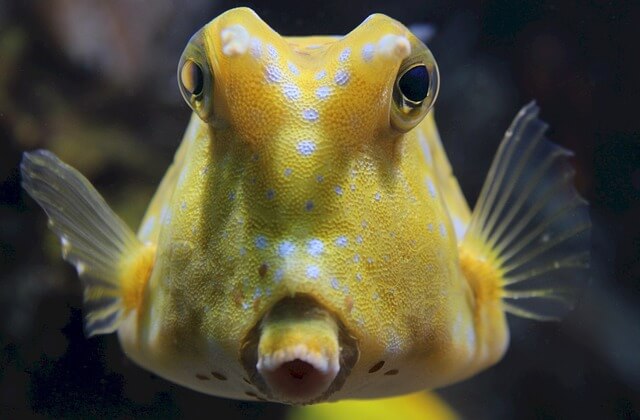
Delicious? Yes. But what on earth do you call this cookie?
Thanks to Cookie Monster, we know “C” is for “cookie,” but there’s so much more we need to learn.
For example, what is the difference between a “macaron” and a “macaroon”? They are both delicious cookies, but they are quite different. One is easy to make; one is not. One is chewy; one has an eggshell-like crust with a meringue inner texture. One has coconut; one has almond flour. Which one is which? After a recent gift from an awesome local bakery, I was determined to get this right.
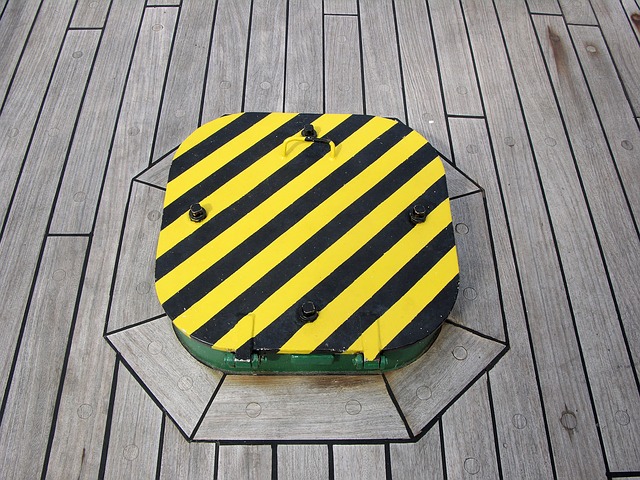
Whether the stormy weather comes from a hurricane, tornado, or simply a boss on a rampage, you need to at least be aware of whether you need to “button down” or “batten down” the hatches. One is the correct idiom. Neither are something your sewing kit can handle.
This is an idiom that comes from a nautical origin—unlike toeing the line, which many assume has a beginning related with a great heave ho of sails but actually has more to do with where your feet are lined up at the start of a foot race. But that’s another conversion.



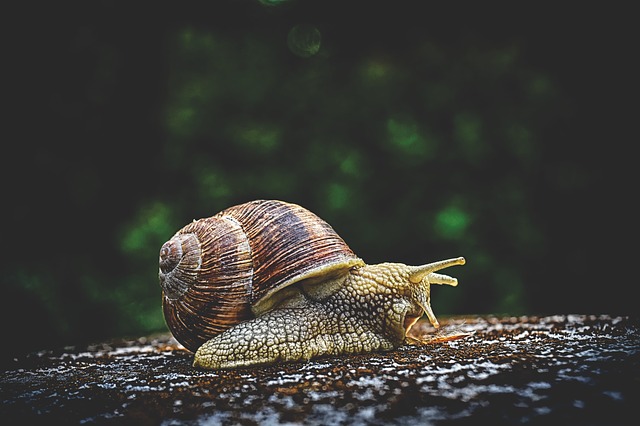 You know who’s exasperated? A snail moving uphill. The morning dew only exacerbates the journey.
 Was the band Puddle of Mudd bleary when they sang, “Everything’s so blurry”?