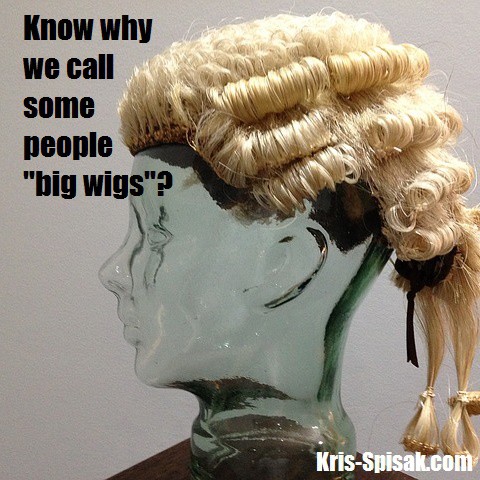
Trivia: The Most Used Word in Conversation
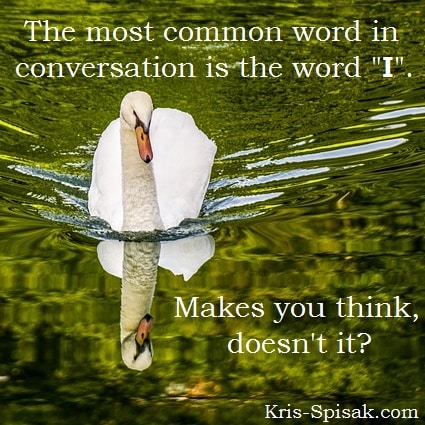
Perhaps we could all take this as a challenge to do better?
Perhaps we could all take this as a challenge to do better?
When I have the chance to trade letters—okay, fine emails—with writers from around the globe, I’m always fascinated by the tiny differences in communications, and I’m always inspired to remember that no matter where we are, the writing craft presents the same challenges to each of us.
Pete Mosley, a true professional who knows he’s writing to a largely American audience, didn’t let any of his Scottish turns of phrase trickle out into his answers of my questions, but the editor in me did have fun pausing at his placement of punctuation outside quotation marks, a rule that differs depending on what side of the Atlantic one calls home. (Though admittedly, his original usage—changed below—is the more logical form.)
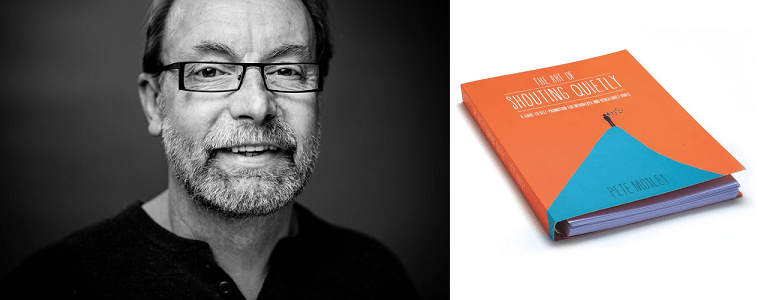
A freelancer for over 30 years, Pete Mosley writes, speaks, and delivers workshops around doing business creatively, how to find and build relationships with customers, and how to tell a great story about your work—drawing on his wide-ranging experience of working in the space where creativity, business, and personal development meet. His first book, Make Your Creativity Pay, was published in July 2011, and his second, The Art of Shouting Quietly: a Guide to Self-promotion for Introverts and Other Quiet Souls, was published April 2015. Pete is the lead business trainer on Crafts Council UK’s prestigious Hothouse & Injection programmes, delivering business development sessions across the UK; he is Business Editor of craft&design magazine, and a regular contributor to The Design Trust UK webinars and Cape Craft & Design magazine (Cape Town, South Africa) website, among many other pursuits.

When you want to assess who has access to something, your spelling matters, doesn’t it?
Oh, there are so many directions I could take this conversation, but I’m going to keep it incredibly simple.
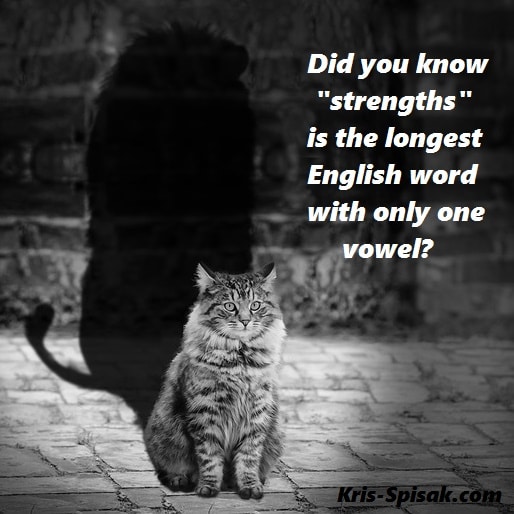
“Strengths.” It’s a good word to think about. We all have a lot of strengths. Together, we can have even more.
Writers and non-writers alike are sometimes baffled at how long it takes to write a book. To write well, an author needs to do justice to the story that he or she feels driven to tell—and it’s not just the crafting of the first draft. There’s also the editing of hundreds of pages, making sure the characters are true to themselves, that every scene truly drives the story forward in some way, that every line stays true to the tone of the project, and so much more.
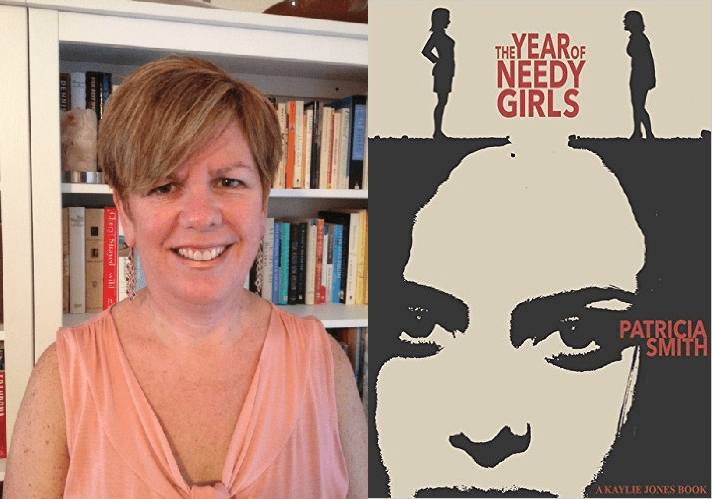
That’s why I always feel exceptionally excited when a talented writer, who’s been working hard for years, experiences the success of their first book publication. And Patricia A. Smith, who was kind enough to chat with me about her editing process, is that author who is finally seeing the fruits of her labors.

Do you know the difference between “biannual” and “biennial”? Or is there a difference? And where does “semiannual” fit in? (Cue the Jeopardy music)
This is another one that trips up native speakers. A lot of folks don’t realize that “biannual” and “biennial” are two different words with two different meanings.

And just in case you’re curious, the longest English word with horizontal symmetry is “CHECKBOOK.”
Aren’t you glad you now know these things?
Sign-up for my writing tips email newsletter for more word trivia like this.
Have you ever started a book and the farther you read, the further you delved into a past version of yourself? Sometimes it happens between the pages of a novel; sometimes it happens in the fluid emotion of a poem or the intense illustrations of a comic or graphic novel.
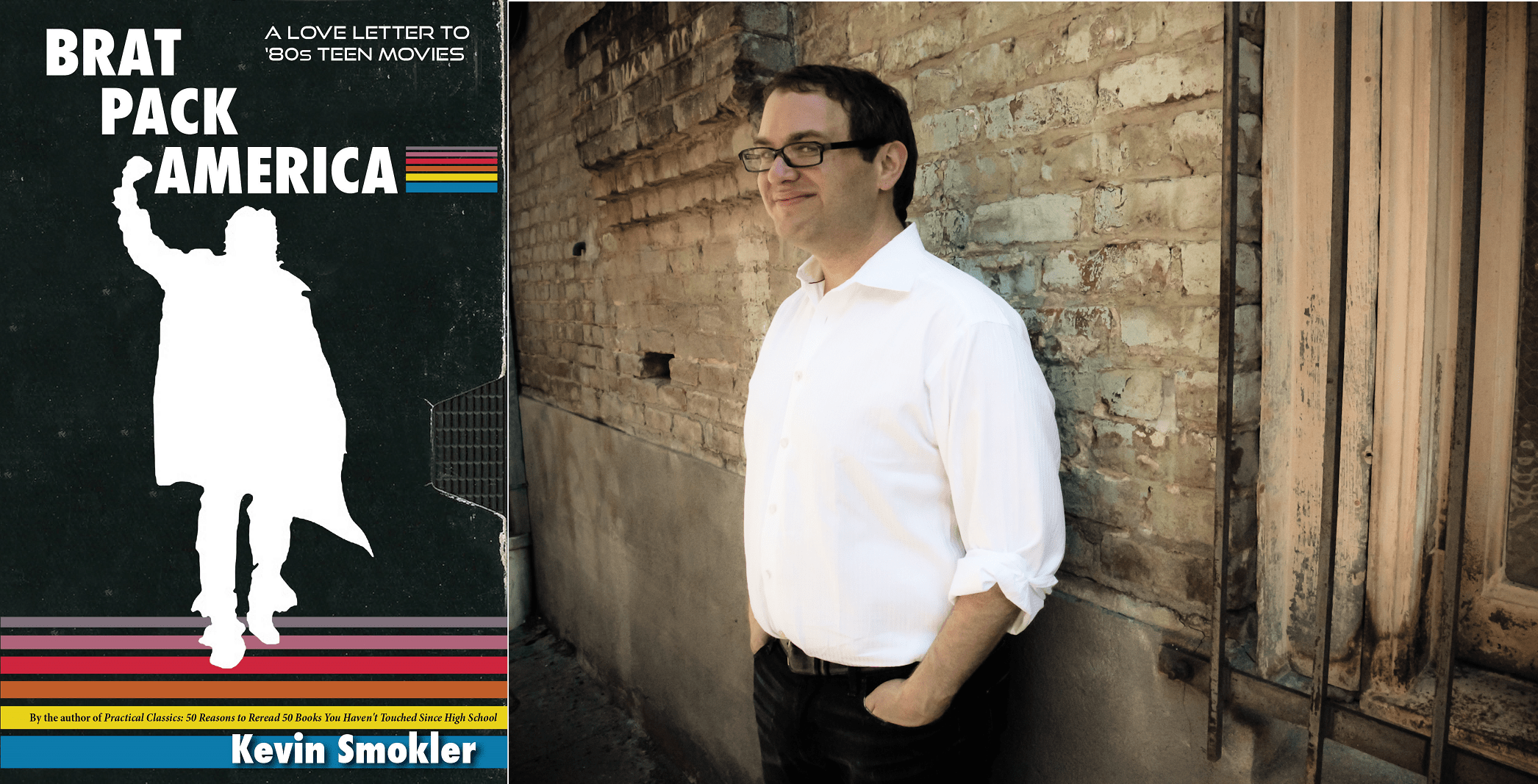
We sometimes forget that there’s an author behind the work, evoking these memories and setting the tone that pulls us back, but these writers are hard at work behind the scenes. One such non-fiction writer, Kevin Smokler, was kind enough to join me to talk about his editing process.

If you’re writing about a “faux pa,” I’m tempted to ask, who’s you’re daddy? Though, maybe I should back up…
Remember, the phrase you’re looking for seeped into English from French. Phonetic spelling never works in such instances. It’s not “fo pah” or “faux pa.” The correct form of this expression is “faux pas”