Ooh, you’re savvy with your words, but do certain pairings like this still trip you up? And how on earth am I relating this to peanut butter?
No worries, wordsmiths. You’ve got this, and stay tuned for that second answer. Here’s what you need to know about “collaborate” vs. “corroborate” once and for all:
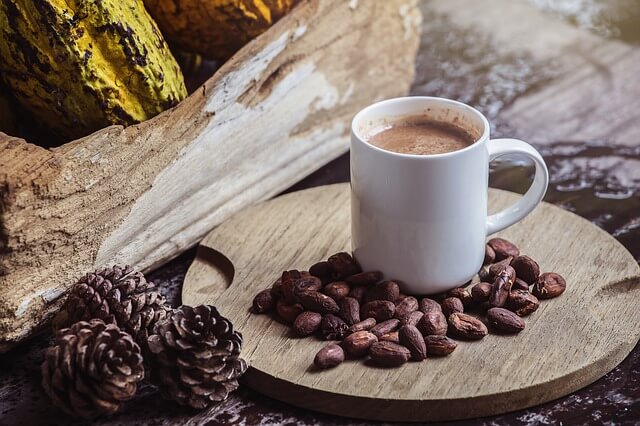
We’re not talking pronunciation differences à la “tomato”/”to-mah-to” or “potato”/“po-tah-to.” We’re not talking regional differences. There is a distinction worth knowing when using “cocoa” vs. “cacao”; however, do you know what it is?
And when I say “using ‘cocoa’ vs. ‘cacao,’” I suppose I could be talking about usages in a recipe or in a sentence. Subtleties matter here in both circumstances.
Chocolate fans, listen up. Here’s what you need to know:
And while we’re talking about the expression, what’s the origin of it anyway?
Are you imagining laundry hanging up to dry or a bit too much of a celebration? Or if you know where I’m going, here’s your next question: how many sheets to the wind are we talking about?
In 1737, Benjamin Franklin published The Drinker’s Dictionary, a list of 228 “round-about phrases” to describe drunkenness. (More on that coming soon). Admittedly, no version of “sheets to the wind” or “sheets in the wind” (a possible older version) appeared on this list, but as you know (or might have guessed by this point), we’re talking about one more colorful expression to describe one who has imbibed too much alcohol.
If you’re not sure about this one, here’s your big, messy hint. (Who’s having flashbacks to cleaning chalkboard erasers? Just me?)
We could chalk it up to the speed of communications these days muddling things, or we could chalk it up on the sidewalks of our cities and towns. Either way, there’s something we need to remember with this phrase. You might be “chock-full” of ideas, but let’s clear this up once and for all.
There are so many things these rubber bands can bind together, but what if they did their work a long time ago? Sure, their bright colors might fade, but what about the past tense of “bind”?
One can bind a book or ropes around a villain. One can bind rubber bands around playing cards or two parties together in a legal contract. But if they did this yesterday, how do you write that verb? What is the past tense of “bind”?
Easy? Maybe. But let’s just double-check what you know.
If we’re talking dancing in the street, maybe this doesn’t jibe with you, or maybe you won’t jive with me… let’s dig into the possibilities.
Let me tell you something that seriously doesn’t jive with me…
Okay, how do you think I could finish that sentence? Where do you think I’m going? What actually makes sense? Do you know the difference between “jive” vs. “jibe” vs. “gibe”?
There’s a chance I see this incorrectly written more frequently than I see it correct, so let’s talk this out:
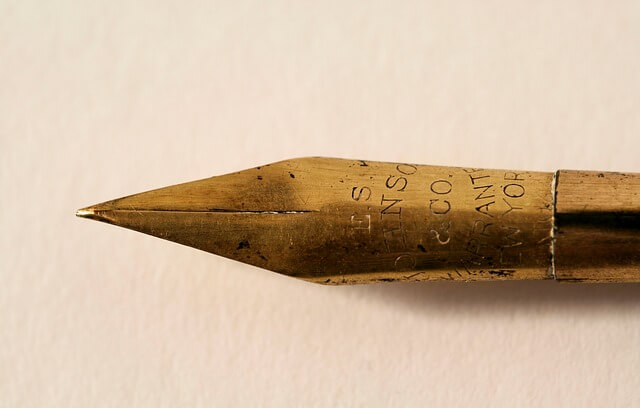
When one might say “on guard” or “en garde,” perhaps you might be expecting a sword of some kind—though I will always be one to argue that the pen can mightier, no?
Does double-checking your work sometimes feel like the grammar police are saying “on guard” or “en garde” or … how do you spell that expression again?
This one goes out to anyone who’s ever wanted to be one of the three musketeers—or even the three mouseketeers. (Yes, that’s a shout-out to Mickey, Donald, and Goofy. You’re welcome).
First things first, don’t let any ideas of grammar police get you down. Are you working to be as clear, concise, and correct as possible with your communications? Awesome. The pursuit is half the battle won. (And you’re on this writing tips blog, so I’m guessing you’re well on your way!)
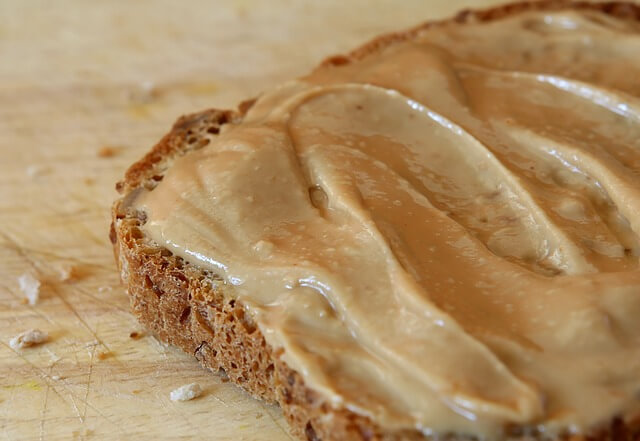 Ooh, you’re savvy with your words, but do certain pairings like this still trip you up? And how on earth am I relating this to peanut butter?