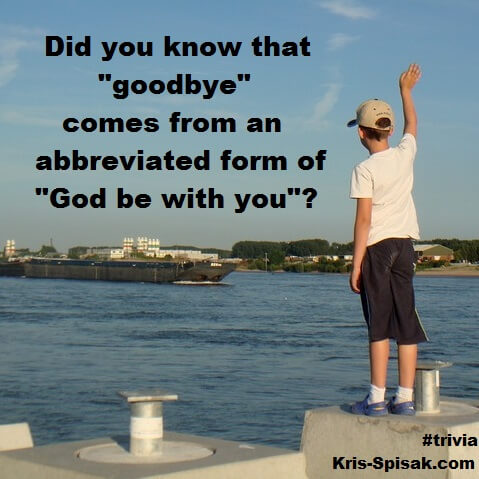
Bonus points to anyone who knows what part of speech “this” and “that” are! (See the end of the blog for the answer.)
If you’re talking about this, that, and the other, does everyone else in the conversation have a clue about what you’re discussing?
“This” and “that” are great words. They help with specificity when you’re talking about this bird in a nearby tree versus that bird over on the wind vane. They help distinguish between this mongoose and the one named Rikki Tikki Tavi. However, when you start dropping “this” and “that” into your writing without any clarifying words, it’s a bit like posting unfinished signage on a road. It’s often a bit confusing.
No matter what we write, we can learn a lot from poets. Knowing how to make the most out of every word, how to find rhythm in language, and how to convey a point with subtlety and poignancy is a talent we should all aspire to.
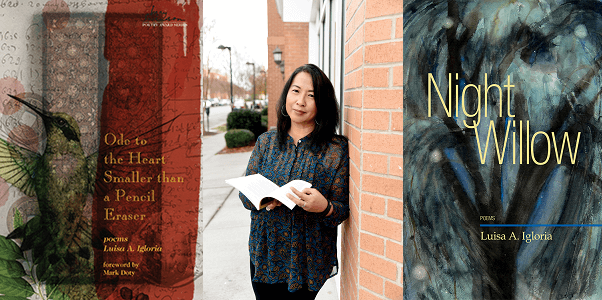
The following interview with poet Luisa A. Igloria is full of valuable takeaways and gives a glimpse into the writing life of a gifted teacher and writer.
Okay, sometimes my blog images scare me a little. This is another one of those times.
I have good news for you. Contrary to what you might have heard, there’s no such thing as a “poisonous” snake. (Well, almost no such thing. We’ll get back to this.*)
But here’s the bad news, this doesn’t make your next romp through leaf piles in the woods any safer.
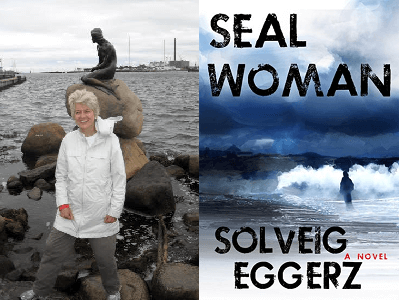
When I discover powerful writers who are also teachers, I’ll admit that I always get a bit excited and my questions jump out of my mouth rapid fire. Being a talented wordsmith doesn’t always mean an individual can explain the process of writing to another, and that’s why I’m excited to present the following interview with Solveig Eggerz, which is full of bite-sized takeaways for writers across any genre.
If you’re talking ‘bout the birds and the bees and the flowers and the trees and the moon up above, you might be tackling this thing called “love,” but here’s a hint: if you’re writing about a lover ravaging another, it’s not a happy love story.
To take it up a notch—and maybe a few decades forward—let’s talk about what’s happening when it’s getting hot in here.
Have you ever been given short shrift? How about a short shift? It’s time to know the difference.
If you’re working nine to five, you don’t have a short shift. Depending on your job, you might feel like you’re often given short shrift, though.
If you go out shopping, maybe you could buy a short shift dress. You wouldn’t want to buy a short shrift dress, because one, it doesn’t sound like a power piece for your wardrobe, and two, I really don’t have a clue what that might look like. Maybe you could just blame that one on bad signage, I suppose. Someone should have done some editing.
Remember, if you’re looking for the phrase meaning ignored or given little consideration, “short shrift” is correct.
“Shrift” is an old word referring to confession that we don’t generally see anymore. The expression “short shrift” was used for the first time by Shakespeare in Richard III, and in this usage, it was referring to a literal brief confession. The metaphoric use that we’re familiar with today didn’t come until centuries later.
“Short shift” is a common enough typo, but it’s not one that you want to repeat or wear or print on any retail signage.
So many people say they’ve always wanted to write a book, but only a fraction of these people actually do so. The hard thing to discover is that after the passion and drive, the determination, the desperation, and the belief in your story, once you hit the last page, you aren’t actually close to being done.
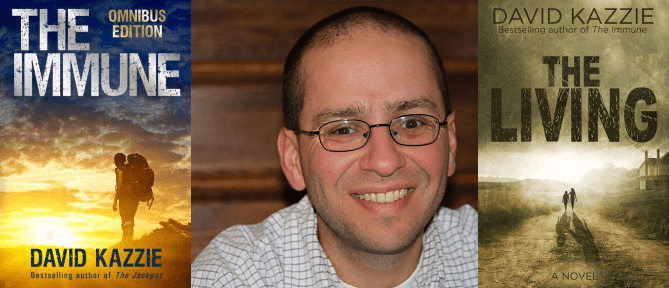
It’s in the editing process that stories are spit-polished to a shine, and this week’s interview with author David Kazzie is packed with advice to bring out the best in your work.
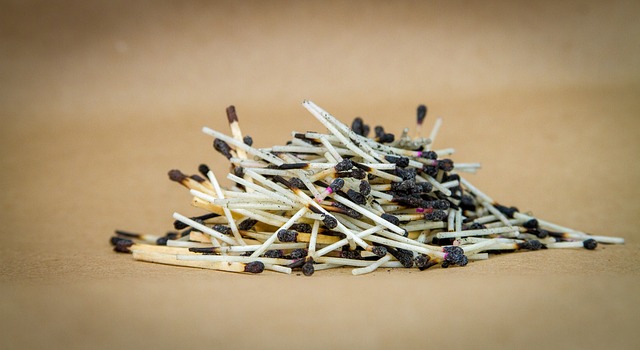
I’m sure Smokey the Bear would have something to say about this. Or maybe even Rogue Smokey… that guy’s burns would spread like wildfire.
Some days are full of social media burns so severe people are looking for ointment. Other days, people are posting charred Pinterest fails of recipes gone wrong. But the word that comes up again and again is that “burn.”
Have you ever been “burned” by bad spelling? Ever been “burnt” by it? Is there a difference?