Being a writer can seem like a solo endeavor, but one of my favorite parts of my writing and editing life is interacting with other writers—aspiring writers, newly published writers, writers deep into their careers, and publishing heavy-weights. There are enough boxing metaphors in the following discussion for this description to fit here on many levels.
I first met David L. Robbins over a decade ago, and his dedication to his craft and his willingness to help others with their words have always blown me away. From high school students to military veterans seeking solace in releasing their own stories, the writers who have spent time with him have always ended up the better for it. That’s why I’m so happy to present this interview.
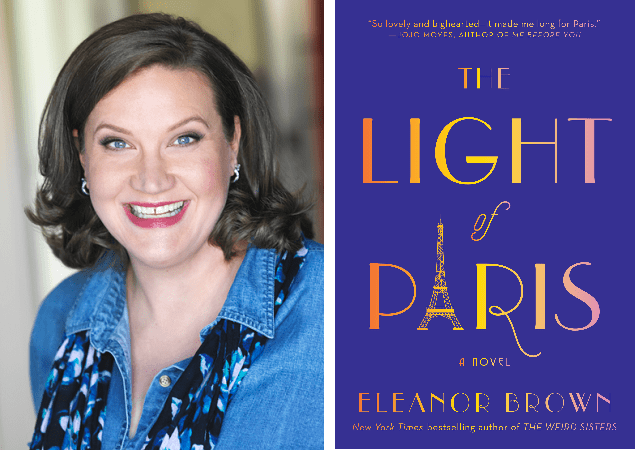
Have you ever finished a book you thoroughly enjoyed and then wondered to yourself, how the heck did the author pull that off? Maybe, for you, it was a concept that seemed too far-fetched at first glance, a protagonist that you would never guess could be sympathetic, or a cliché that you never imagined could be turned on its head. One occasion that moment hit me was when I closed the last page of Eleanor Brown’s The Weird Sisters. Not only was it thoughtful and well-crafted on multiple levels, but it was written in the first person plural—as in the narrator didn’t say “I”; the three narrators wrote in the voice of “we.”
I can only imagine the editing involved in that project to make it so true to itself the whole way through, and that’s why I’m particularly excited that Eleanor Brown is joining me for this interview.
The good news is that there is solid reasoning behind when you use the prefix of “in-” versus when you use “un-”; the bad news is that this logic will only help you if you have a solid understanding of language history.
In all cases discussed here, these prefixes mean “not” or the opposite of something. We see them in action all of the time:
Think fast: is this “insurmountable” or “unsurmountable”?* Bonus points if you say neither and go to pull out your mountain climbing gear.
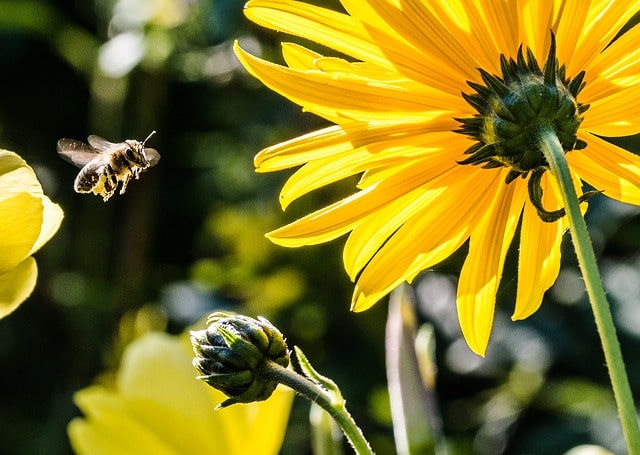
You can refer to a bee’s busyness, but if you’re referring to its business, that doesn’t quite make sense—unless it’s an entrepreneurial bee, making the most of its local honey, of course.
I don’t want to get all up in your business, but no matter how busy you are, make sure you know the difference between “business” vs. “busyness.”
I see the logic of this typo. After all, when you’re talking about the state of being happy, the word is “happiness”; when you mention how someone is savvy, you talk about their “savviness”; when you refer to how something is silly, you mention its “silliness.”
This “-y” to “-iness” transformation is a natural part of our everyday spelling.
The problem is that “business” is already a word.
Therefore, the correct word to use when thinking about the busy nature of your day-to-day is “busyness.”
Side note: When did it become so common for the response to “How are you?” to be “Busy”?
I’ll momentarily forgive the adjective vs. adverb slip, considering a “how” question should be answered with an adverb, but why is this the answer we all give and hear so often? A while back, I made a resolution to stop answering this way myself, not because I wasn’t busy, but because it doesn’t really answer the question, does it? Whether you’re busy or not, you could be doing wonderfully or terribly, after all. The “busy” answer has a variety of meanings too, from stressed to overjoyed, so why don’t we start answering this question a bit more precisely? We’re all busy.
Just a thought. You know editors always have side thoughts on everyday language use…
In the end, though, I hope all is well with you amidst your busyness, whether it’s busyness with your business or otherwise.
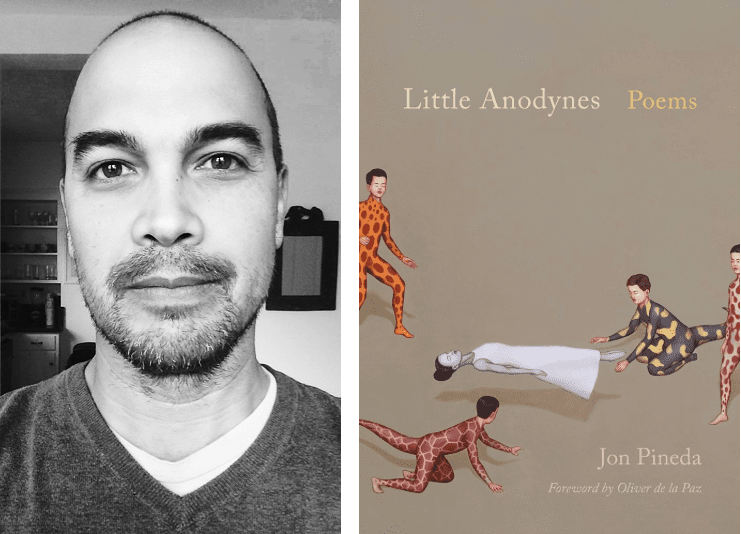
So many of us dream of being poets. The dream starves a bit amidst tiresome email correspondences or other words in our daily lives thrown down quickly and without much introspection, with no intention more than making a point as simply as possible—though, perhaps “simple” is the wrong word to contrast with a poem. Perhaps the opposite of poetry is plainness.
There is a time to be plain, but there is also a time to be astonishing. That’s why I’m thrilled that the talented poet Jon Pineda joined me to chat about his editing process.
Yes, the correct phrase is “nip it in the bud,” but don’t nip this one. It’s too lovely. Okay? Thanks.
Something we really need to nip in the bud is the typo “nip in the butt.” I promise you, that’s not the correct version of this idiom.
This expression goes back to gardening. If you’re trimming back something problematic, you nip it in the bud, removing the buds before they grew into something bigger, wilder, havoc-wreaking, and generally other than what you wanted.

 Take a deep breath. These two words are rather easy to remember. No hyperventilation required.