Not quite the location of a spelling bee (at least I hope not)! But maybe knowing how to spell “straitjacket” and how to keep “straitlaced” might be important here too.
Imagine being up on stage for a spelling bee. You’re feeling good. Your confidence is shining through your smile. The word caller clears his throat.
Your next word is “straightjacket”/”straitjacket.” How sure of yourself do you feel?
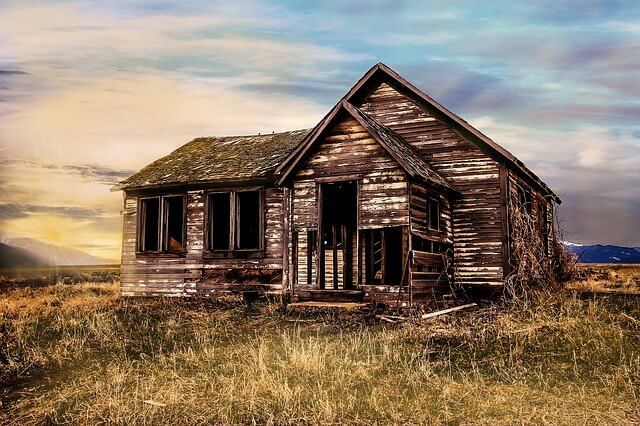
Even if entering this house is forbidden, a brave kid on a mission might dare to defy the rules (Story prompt? Go for it.) But if it’s verboten, that kid might not dare. They might have an adventure getting to the source of why it’s verboten without actually going in. (Ooh, there’s another story prompt for you!)
If something is foreboding, there’s something a bit ominous about it. Maybe that foreboding place is also forbidden. Maybe it’s verboten. That word raises the stakes a bit, doesn’t it? Do you know the difference?
First things first, yes, these are all English words, though if you want to argue “verboten” is German, you would also be correct. Like “angst” and “doppelganger,” “verboten” is a borrowed word; however, it has been in English dictionaries for over one hundred years. The English language is indeed full of borrowed words normalized over time. That’s one way it’s troublesome fascinating, right?
What do you think about when you hear the word “Marvelous”/”Marvellous”?
I don’t know about you, but I’m trying to think positive thoughts these days, positive thoughts like peace, unity, health, and the pursuit of happiness. And today, all this leads me to a very important question:
What is the correct spelling of “marvelous”/”marvellous”?
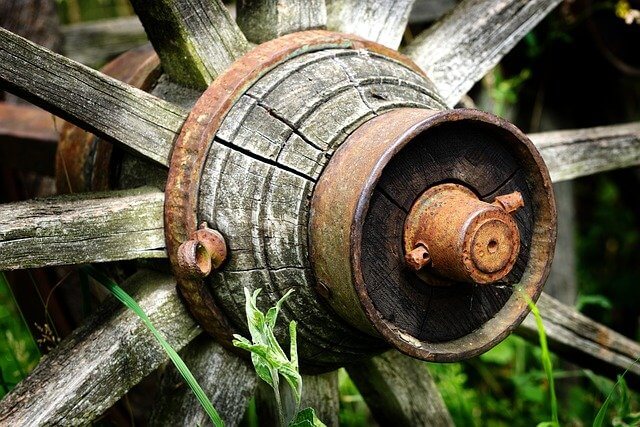
What are we looking at here? A “linchpin” or “lynchpin”?
When you have something that holds your entire argument (or carriage) together, spelling it wrong certainly doesn’t help your cause. How do you spell “lynchpin”/”linchpin”?
This one’s tricky. Just because you’ve seen it written one way doesn’t mean that all uses are standard, and much like “acknowledgements” and “acknowledgments,” both “lynchpin” and “linchpin” can be commonly found online. But the correct answer is…
Is this an instance of magic or the instant the first stars of the night start to appear? Perhaps a bit of both.
Here’s an instance of when multiple instants combine for a lot of confusion. For instance, there might be instants when spellcheck and autocorrect betray you. It happens. And it’s in an instant like that when we have to make sure we have things right. We have powerful tools and instances of the future on our fingertips, but this power isn’t perfected. So, everyone’s cool with my usages of “instance” vs. “instant” vs. “instances” vs. “instants,” right? No problems here at all?
Well, just in case, let’s talk about these words because I’ve seen them muddled just enough that it’s worth a conversation.
“Vibrance” or “vibrancy”? What word would you use?
If you meet someone with a certain vibrance, is that different from having a certain vibrancy? Or is one of those usages just simply not correct? One little letter sometimes makes all the difference, doesn’t it?
Do you have a gut instinct here? “Vibrance” vs. “vibrancy” feels like a complicated decision.
What would you say? Is this a “snoot” or “snout”? Is this a “dog”? A “pupper”? A “doggo”? There are so many language options.
Sometimes, we need to delve deep into heavy issues and be our best possible selves, especially in the words we use. We need to effect change. Other times, we just need to figure out the difference between “snoot” vs. “snout” because there’s got to be a difference. There wouldn’t be two words if there wasn’t a difference hiding in there somewhere, right?
Right. Definitely. And it’s time to dig into these answers. (Whether you’re digging with your snout or snoot leading the way is up to you.)
If only the English language was cut and dry—or is it “cut and dried”? Oh no. It’s another expression that you probably felt really confident about until I raised the question. And now it’s ping-ponging back and forth in your mind. “Cut and Dry” vs. “Cut and Dried” vs. “Cut-and-Dry” vs. “Cut-and-Dried.” What is the standard version?
If you’re having a moment of embarrassment, nervous you’ve always said this one wrong, you might feel better because you’ve hardly been alone in this confusion.
Recognizing and thanking those who have helped you out along the way is always a good thing—whether in your essay research, your book writing journey, or in everyday life—but wait, how do you spell that word? “Acknowledgments” or “Acknowledgements”?
Spellcheck won’t help you. Again. Darn spellcheck.
The answer doesn’t harken back to a complex etymology story. Nope, it’s quite simple:







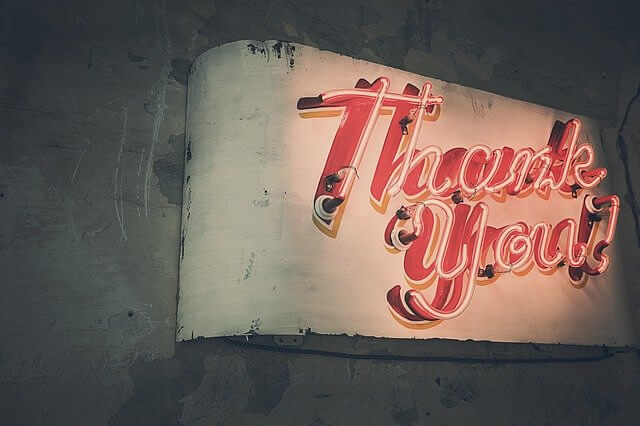 Recognizing and thanking those who have helped you out along the way is always a good thing—whether in your essay research, your book writing journey, or in everyday life—but wait, how do you spell that word? “Acknowledgments” or “Acknowledgements”?